

Nipple Piercing
Discover our wide selection of over 500 nipple piercings! Made from top-quality materials like Titanium and 316L Surgical Steel, all at great prices. Enjoy excellent customer service at our shop.
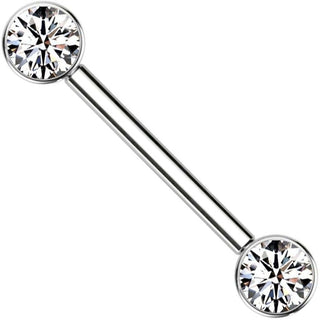

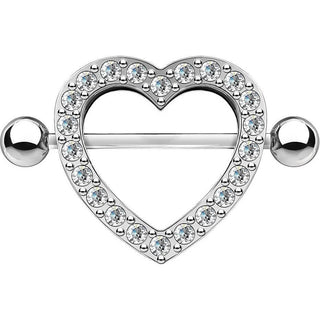
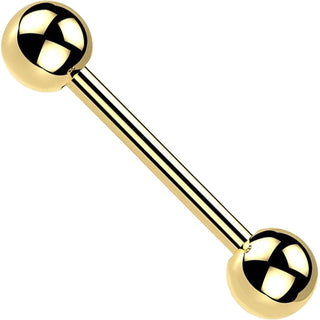
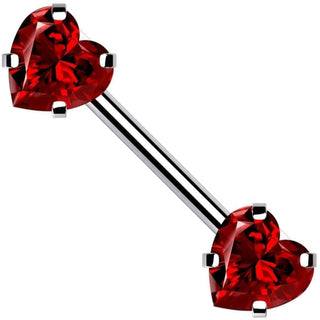


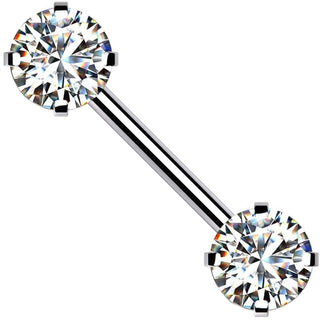
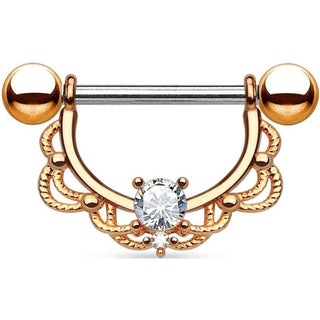
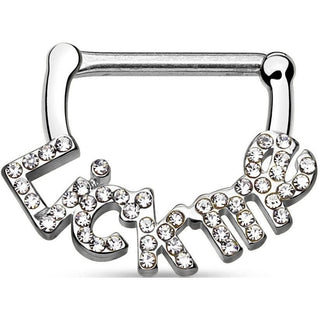
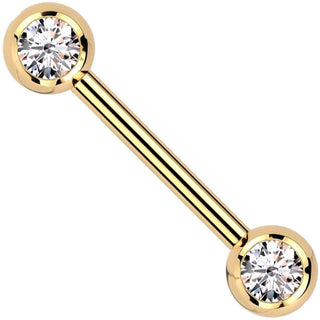




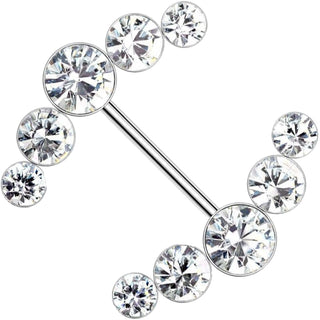
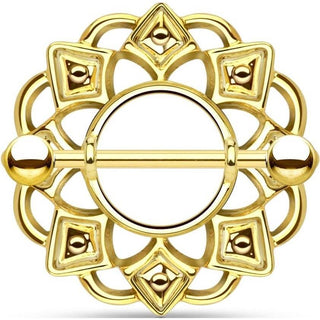
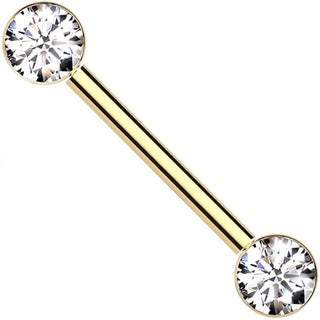

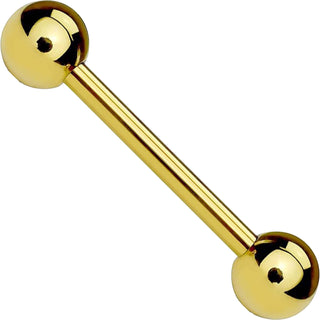




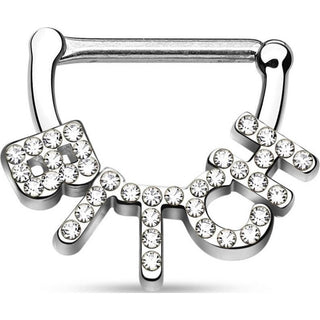
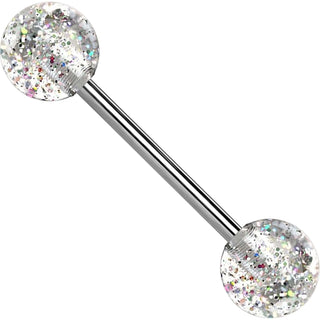
Nipple Piercing
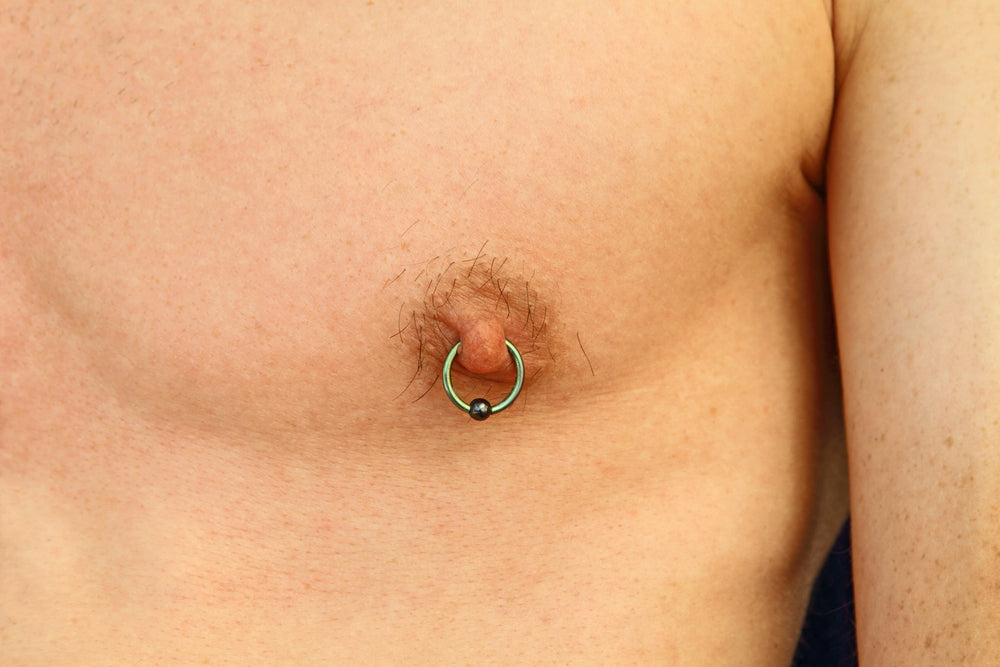
The nipple piercing is a highly popular and fashionable type of piercing that not only looks stunning but also offers an erotic thrill. With this intimate piercing, one or both nipples are pierced and adorned with beautiful jewelry.
Nipple piercings can be worn by both men and women. Your chest can be highlighted with many different types of piercing jewelry. For example, piercing rings, horseshoe piercings, barbells, or special nipple shields are commonly used here.
In our shop, you will find a huge selection of beautiful nipple jewelry in unique designs and motifs like animals, stars, or flowers. In this guide, you will learn all the essential information about nipple piercings, from the piercing process and the right jewelry to the potential risks.
Nipple Piercing Variations
A nipple piercing can be placed vertically or horizontally through the nipple. The horizontally placed nipple piercing is the most popular and widespread variation. Less commonly, a nipple piercing can also be placed diagonally. Whether you choose to pierce just one or both nipples is entirely up to your personal taste. The exact placement and the choice of side are also completely up to you.
The different nipple piercing variations can also be combined as you like. For instance, getting two horizontal or vertical piercings on one nipple creates a double nipple piercing. By combining a vertical and a horizontal piercing on the same nipple, you achieve a unique cross-shaped look.
Piercing Jewelry for the Nipple
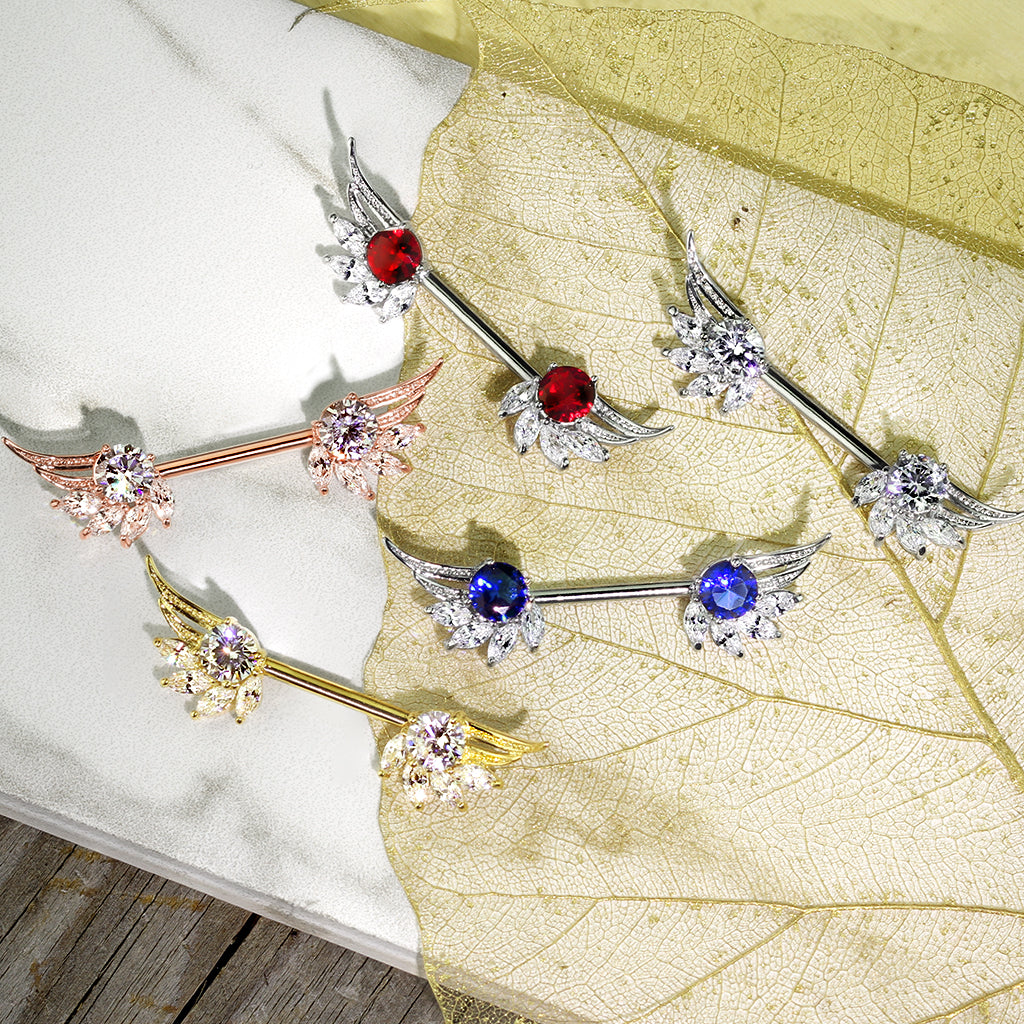
Your nipples can be beautified with many different types of piercing jewelry. These include rings, horseshoes, nipple shields, as well as straight and curved barbells (banana piercings). Jewelry variations with pendants offer a particularly special look. With the help of connecting chains attached to the nipple jewelry, you can create a highly alluring vibe. Our shop offers a large selection of nipple jewelry for every taste.
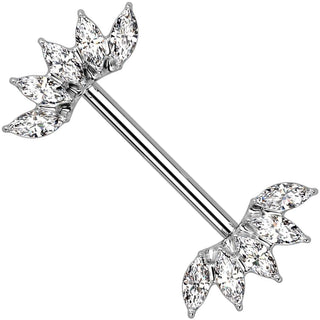
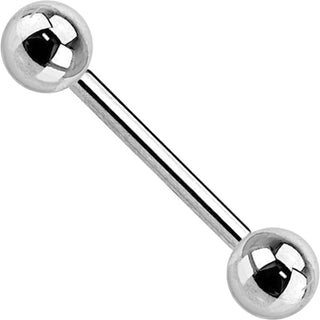
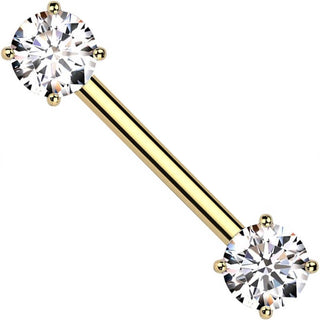
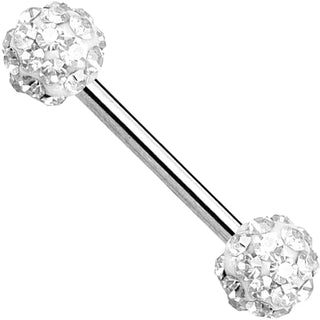
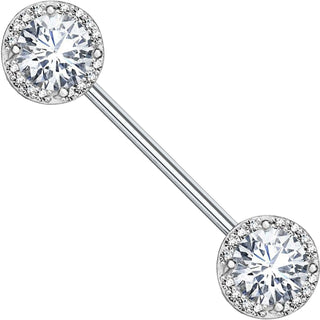
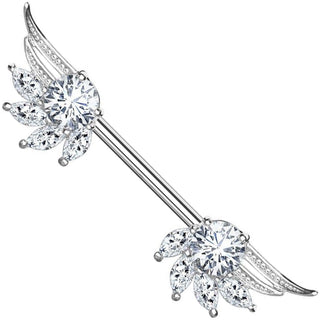
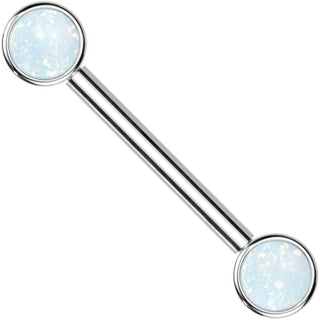
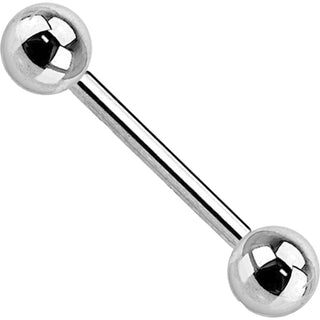
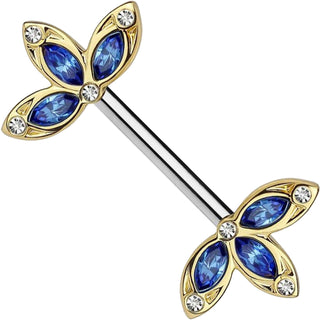
Simple surgical steel and titanium piercings provide a clean and subtle look. You can also upgrade simple barbells with colored or crystal-studded balls. Barbells in a fan design or with pendants beautifully frame the nipples and give you an extra boost of confidence. These pendants come in many unique motifs such as masks, handcuffs, vines, or snakes.
Nipple rings give your nipples a distinct and interesting appearance. You can use a bendable piercing ring, CBR rings, horseshoe piercings, segment rings, and segment clickers as nipple rings. Simple rings offer a classic look, while more extravagant ring designs let you set individual accents.
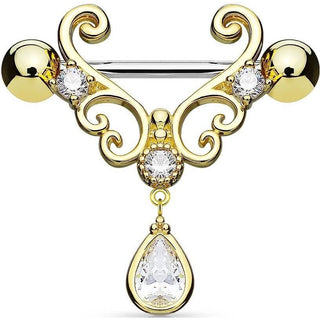
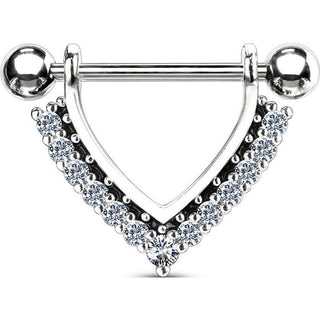
Nipple shields skillfully frame the nipples and give your chest a truly unique look. They are available in many different and interesting motifs like turbines, stars, flowers, spikes, or suns. You can choose between simple metal nipple shields and elaborately decorated ones studded with crystals.
Jewelry for your nipples can be made from many different materials. The particularly high-quality materials titanium and 14 karat gold offer many advantages. Above all, they are allergy-friendly and luxurious. Surgical steel jewelry also has many benefits that make the material very popular. This rust-free and durable metal is more affordable in comparison, yet still of high quality.
With fake nipple piercings, you can take your time trying out the look before actually getting pierced. The adjustable nipple clamps are available in our shop in many motifs and with beautiful pendants. For people who are particularly sensitive to pain, fake nipple piercings are the best solution to enjoy this trendy piercing without any severe pain.
Getting a Nipple Piercing
Getting a nipple piercing is similar to other types of piercings. The area to be pierced is thoroughly cleaned, disinfected, and the entry points are marked. Once the placement is decided, the piercer will hold the nipple with a clamp. The nipple is then pierced with a hollow, sterile needle, and the initial jewelry is inserted. In most cases, this process is over within a few seconds.
For the initial jewelry, most piercers use straight barbells to ensure quick healing. The bar thickness of the barbell is usually about 1,6 mm – 2 mm. The length of the barbell is determined individually for you. There should be about 3 mm of the barbell sticking out on both ends of the piercing channel. This longer bar size provides enough room for the nipple to swell.
Basically, anyone can get a nipple piercing. While the anatomy of the nipples is different for everyone, almost every nipple is suitable for this type of piercing. A nipple piercing can also be done after breast augmentations or reductions. However, there should be plenty of time between the two procedures so your body can recover and heal properly.
Since the nipple is a quite sensitive part of the body, the pain is unfortunately a bit stronger for most people. To make the pain during the piercing process more bearable, the area can also be numbed beforehand.
The costs for a nipple piercing depend on various factors such as the region and the studio. Generally, the price for getting pierced ranges from about 40€ to 70€.
Nipple Piercing by motif
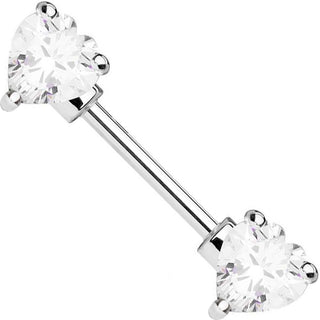
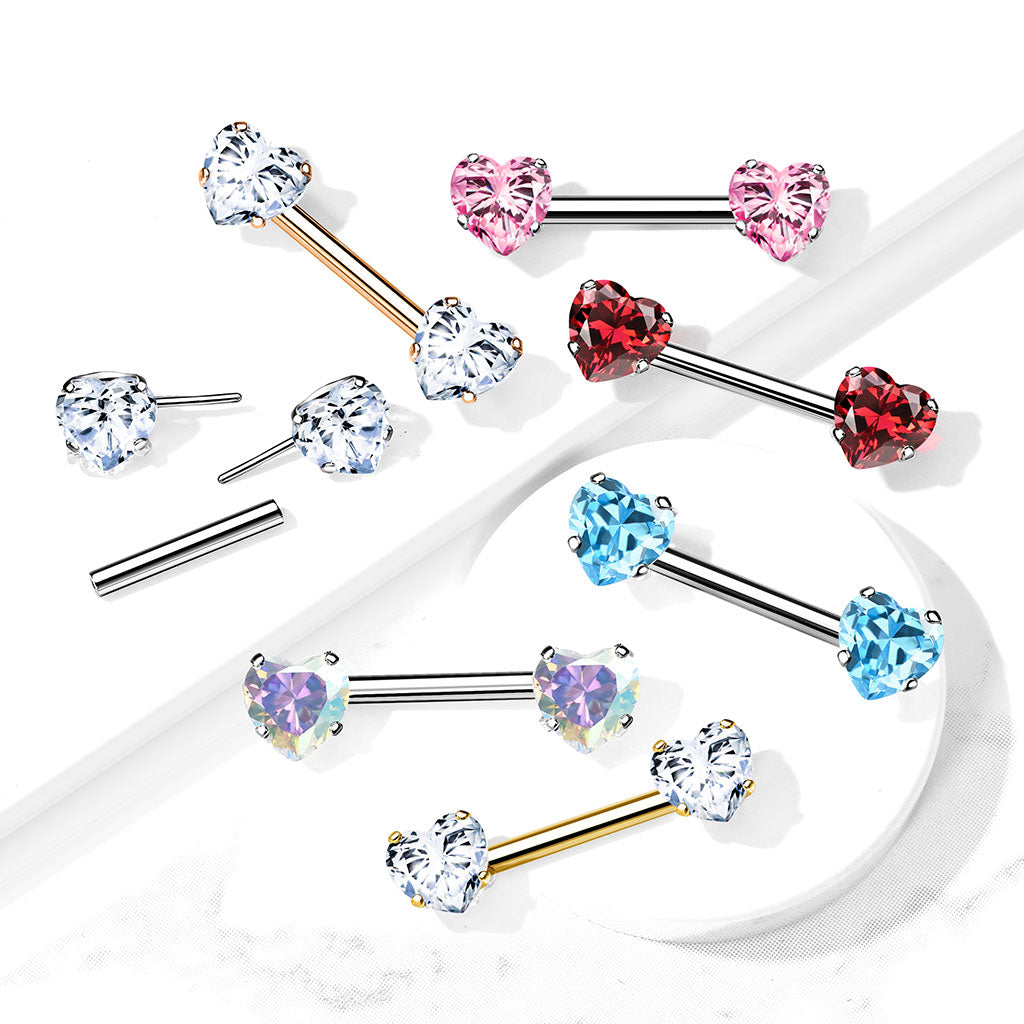
Are you looking to add a sweet and romantic touch to your personal style? You will absolutely love our beautiful collection of Heart Nipple Piercings that perfectly highlight your unique personality. Browse through our selection and find the perfect new jewelry to express yourself today!
Healing and Proper Care
The healing time of a nipple piercing usually depends on your own anatomy. Smaller nipples with a width of less than 10 mm are fully healed after about 3 to 4 months. Nipples larger than 10 mm take longer to heal, about 6 to 9 months. You may only change the initial jewelry after it has completely healed.
In the first week after getting your nipples pierced, you can cover the fresh wound with a plaster, as the nipples might bleed a little. Using sterile compresses can also help here, especially if there is any discharge of bodily fluids.
After getting pierced, your nipples should be cleaned and disinfected twice a day for 2 weeks. Always disinfect your hands before touching the piercing. When showering, you should use mild and preferably PH-neutral products to prevent any irritating substances from entering the piercing channel. After showering, carefully remove any softened crusts and gently dab the fresh piercing with a lint-free cloth. Afterward, cleaning with special piercing care products is highly recommended.
Especially with a nipple piercing, you need to be extremely careful when putting on and taking off clothes. You should put on and take off your tops gently and slowly, as being too rough can cause the nipple jewelry to catch. In the worst case, the nipple piercing could even be torn out of the nipple. Therefore, always take your time when getting dressed and proceed with caution.
During the healing phase, women should wear simple, tight-fitting bras made of a breathable fabric like cotton. Sports bras are particularly suitable here. Bras with lace and decorations like bows or ruffles should be avoided for now. The chest jewelry can easily get caught in them, causing uncomfortable rubbing or even tearing with every movement. For men, a tight-fitting top is enough to keep the nipple jewelry securely in place.
You should avoid sports for at least the first 14 days after getting pierced to prevent sweating and unnecessary friction during physical exertion. But even after the first two weeks and throughout the entire healing process, the nipple piercing might feel bothersome during sports. In this case, taping the jewelry with a plaster can prevent friction and potential snagging on your clothes.
You should completely avoid playing with your nipples during the entire healing phase. As long as the piercing channel is not fully healed, the nipple piercing is more prone to micro-tears. Tears, in turn, promote the spread of germs and consequently lead to infections.
Pregnant women should remove their nipple jewelry by the sixth month at the latest, as the breasts become larger and very sensitive during pregnancy. Many pregnant women actually prefer removing the jewelry earlier due to the increased sensitivity. You should also not wear nipple jewelry while breastfeeding to avoid any choking hazard for the baby. After you stop breastfeeding, the jewelry can be reinserted after about 2 to 3 months.
Risks of a Nipple Piercing
Like any type of piercing, a nipple piercing comes with certain risks. In this section, you will learn what dangers are possible and how you can reduce them.
Due to the longer healing phase, the risk of infection is higher with a nipple piercing. Therefore, diligent and regular care is crucial for an uncomplicated healing process. Symptoms of an infection include yellowish or greenish pus, severe redness and swelling of the nipples, as well as persistent, strong pain. With an infected piercing, the skin around it might also feel hot to the touch. If these signs appear, you should visit your piercer immediately.
Swelling of the nipples is completely normal right after getting pierced and only poses a risk if the chosen initial jewelry is too small. In this case, the body jewelry should be swapped for a longer one by your piercer right away.
Piercing the nipples can have consequences for future breastfeeding. The milk ducts can be blocked by the piercing, which might slow down the milk flow. The milk ducts can also be damaged if the piercing is done incorrectly. This risk can be minimized by choosing a professional piercer with plenty of experience.
Women with nipple piercings might experience more sensitive nipples during their menstruation. Even long-healed piercings can swell or cause pain during this time. While this phenomenon is uncomfortable, the symptoms usually improve after a few months. The longer you have the piercing, the less it hurts during your period.
A nipple piercing, like other piercings, can also grow out. The piercing is rejected by the body, and more of the jewelry becomes visible. The distance between the balls and the entry holes increases. The piercing hole can enlarge, and the pierced area becomes dry, red, and sensitive. In this case, you should also visit your piercer. A jewelry change might stop this process. If this doesn't help, the body jewelry must be removed so that no scars form.