

Tongue Piercing
Discover our wide range of over 130 tongue piercings, crafted from high-quality materials like Titanium and 316L Surgical Steel. Enjoy competitive prices and exceptional customer service.














Tongue Piercing
Tongue piercings are among the more unusual piercing types, placed right through the tongue and visible when you speak. Not only do tongue piercings look beautiful, but they also create exciting moments, which adds to their immense popularity. At the same time, this cool body jewelry can really boost your self-confidence. In our shop, you'll find unique jewelry pieces for these piercings featuring various motifs like flowers, skulls, and stars. Our delicate tongue piercings with sparkling zirconia or opal stones in diverse colors and gradients also offer you an elegant and thrilling look.
Tongue piercings gained massive popularity in the 90s through the punk scene and still rank among the most sought-after piercing trends today. Thanks to their edgy yet subtle look, tongue piercings are loved by many people with completely different tastes. Whether you're planning to get one or already have it: here you will find out everything you need to know about tongue piercings, from piercing jewelry and aftercare to the potential risks.
Tongue Piercing Types
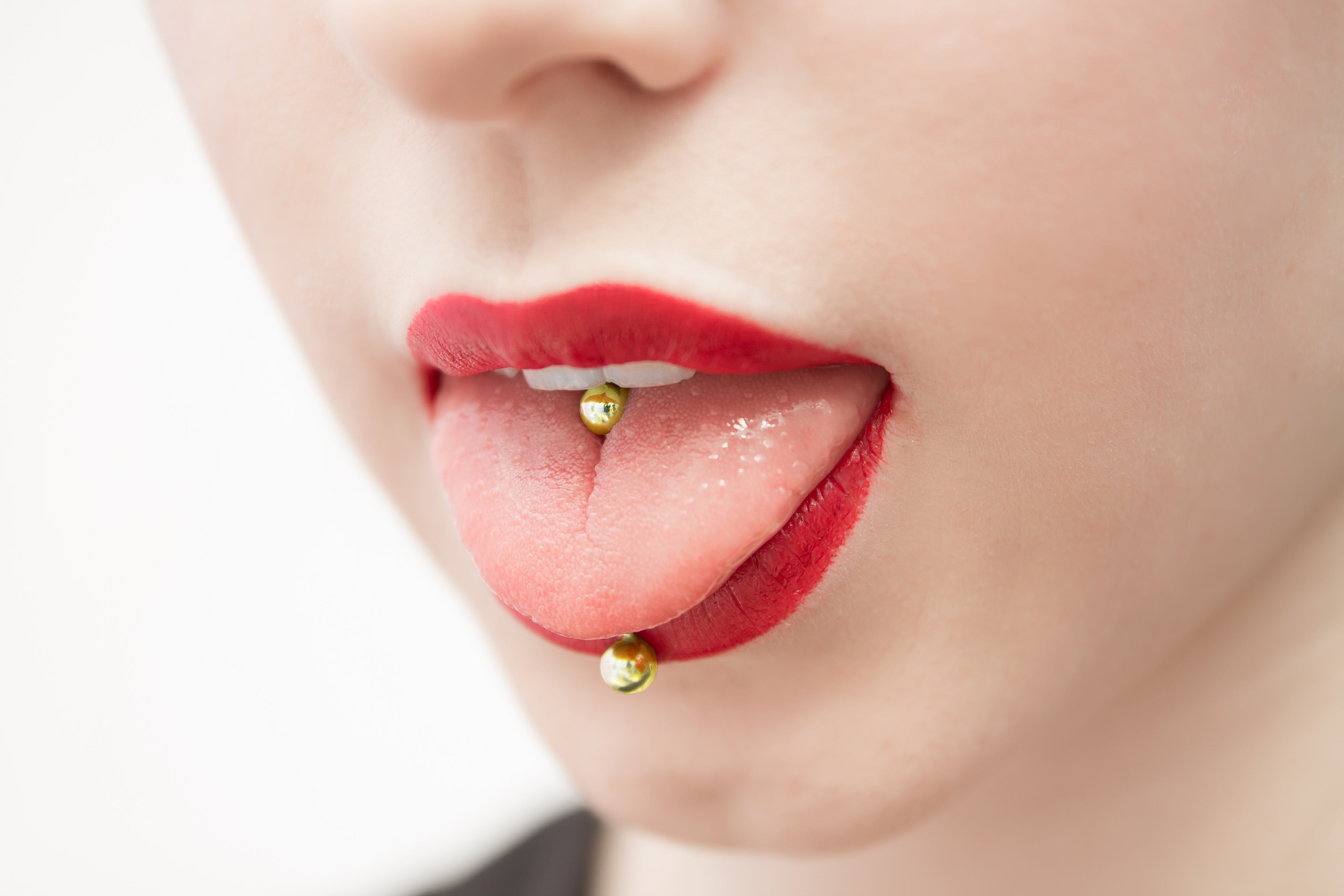
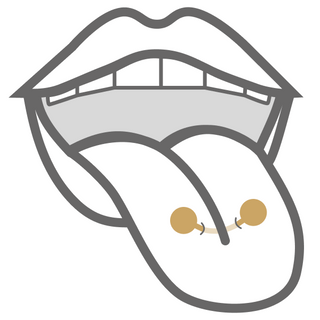
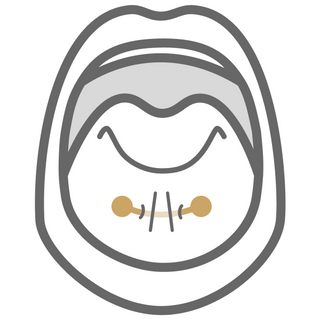
When most people think of a tongue piercing, they picture the classic variation placed vertically right in the middle of the tongue. However, the term actually covers many different types of piercings. Besides the famous midline placement, there are also tongue piercings placed on the sides or underneath the tongue.
It's not just the center of the tongue; the tip is also a popular spot to pierce vertically, often adorned with a ring or a small tongue stud once healed. In contrast, the so-called snake eye piercing goes horizontally through the tip of the tongue. The two balls sitting at the tip are meant to resemble the eyes of a snake.
The venom piercing is a popular tongue piercing style where the tongue is decorated with two vertically placed, parallel barbells. The scoop piercing looks exactly like the venom bite, but for the scoop, the tongue is pierced horizontally and a banana piercing (curved barbell) is inserted. Depending on your anatomy and preference, both piercing types can be positioned further forward or further back.
The tongue web (frenulum) is a thin fold of tissue located underneath the tongue, connecting it to the floor of the mouth. For a tongue web piercing, this small fold is pierced horizontally and usually adorned with a small curved barbell, a piercing ring, or a horseshoe piercing. This variation is the most discreet, as you only see the tongue web piercing when your mouth is open and your tongue is lifted.
Furthermore, true tongue piercing fans can decorate their tongue with several of these piercing types in various combinations. This gives your tongue a truly unique look that perfectly reflects your personality.
Tongue Piercing Jewelry

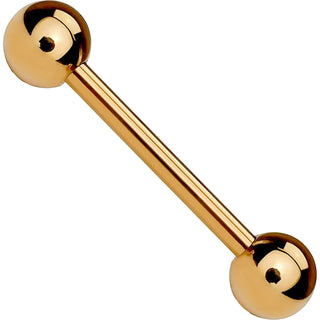
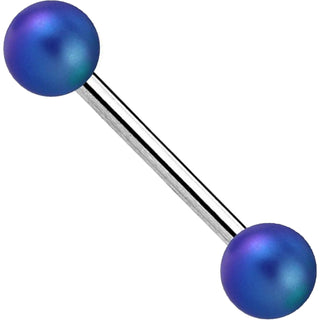
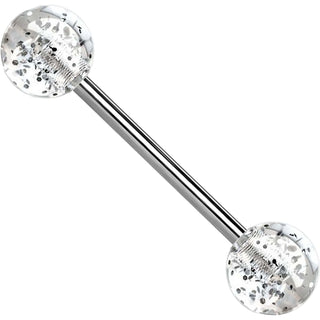
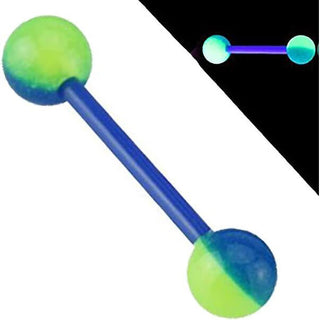
Barbells are the most commonly used jewelry for tongue piercings. The standard tongue piercing size after healing usually consists of a length of about 16 mm and a bar thickness of 1,6 mm. The ball size of the tongue studs is mostly a matter of taste and ranges from about 5 mm to 7 mm. The ball underneath the tongue is usually smaller than the visible top above the tongue. With our barbell sets, you can affordably try out tongue piercings in different colors and materials.
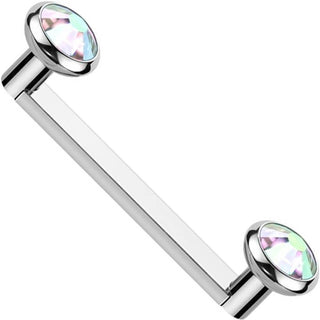
Besides barbell piercings, appropriately sized labret piercings are also used as tongue jewelry. These offer the advantage of being less bothersome underneath the tongue thanks to their flat backplate. Our high-quality titanium tops with colorful zirconia and opal stones make changing the style of your labrets incredibly easy.
Piercing bars with rings, also known as slave barbells, are a rarer type of tongue jewelry that turns the classic tongue piercing into a real eye-catcher with their unique look. Rings are also great jewelry options for side tongue piercings as well as for the tip of the tongue. The diameter here depends entirely on the positioning of your tongue piercing.
For a snake eye piercing, curved barbells are used as jewelry. These should ideally be made of a flexible material like PTFE or Bioflex to ensure the mobility of the tip of your tongue.
Horseshoes, rings, or small curved barbells are used for the tongue web. The jewelry here is usually particularly small, with a bar thickness of about 1,2 mm, to avoid damaging or tearing the thin tissue. The attachments of the curved barbell or horseshoe are also very small, measuring around 2,5 – 3 mm.
Generally, jewelry made of soft materials like plastic is best suited for oral piercings after healing, as the light weight increases wearing comfort and minimizes the risk of tooth damage. Balls made of metals like titanium or surgical steel are significantly harder and can more easily damage your teeth or gums. However, if you prefer the look of metal balls, you should handle your body jewelry as carefully as possible in everyday life.
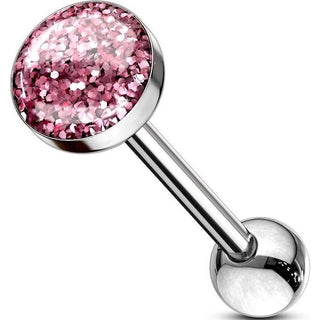
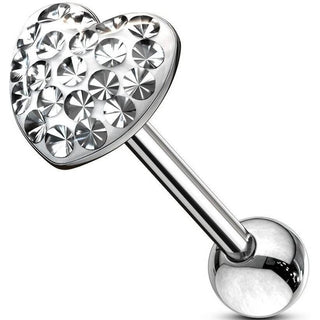
The tongue piercing balls are the visible part of this piercing type. For this reason, we offer countless variations of tops, from cool designs with smileys in striking colors and glittering balls to simple and elegant metal balls. Whether subtle or extravagant: you will find the perfect look for every taste in our shop.
Getting a Tongue Piercing
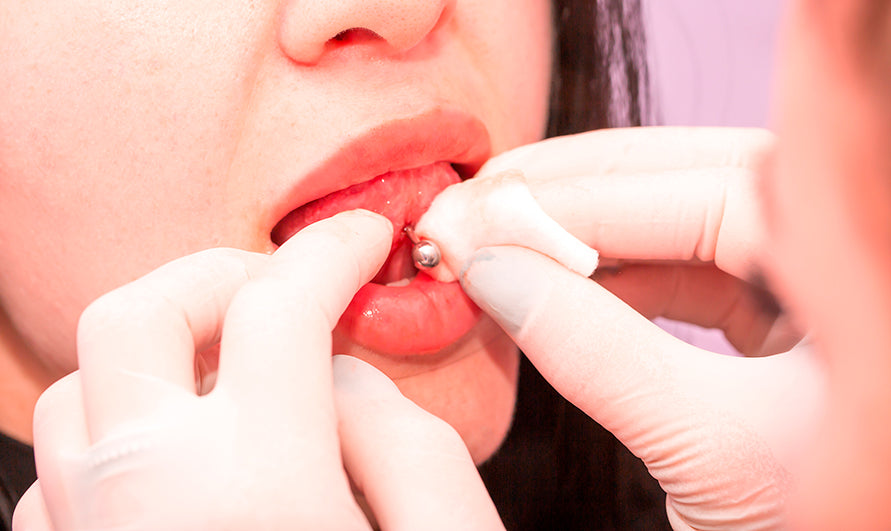
When getting a tongue piercing, your mouth is first disinfected using a mouthwash or mouth spray and often locally anesthetized. After the area is cleaned, the tongue is dried with a lint-free cloth, marked, and fixed with a clamp. Then, the marked spots are pierced with a sterile needle. It is especially important that no nerves or veins are hit during this process. Therefore, a tongue piercing should only be done by an experienced piercer in a professional studio.
Since the tongue can swell significantly in the first few days after piercing, a longer bar of about 18 – 22 mm is used as the initial jewelry. This provides more room for the swelling and prevents complications like the top sinking into the tissue. Once the swelling has gone down, your piercer will shorten the piercing bar during a follow-up appointment.
The pain of getting a tongue piercing depends on your personal pain tolerance and is therefore different for everyone. The specific variation of the tongue piercing also plays a major role here. While the classic tongue piercing in the center is generally less painful, side tongue piercings and piercings through the tip can definitely hurt a bit more. This is because there are more nerves at the edges of the tongue. If you are very anxious about the pain, you can always ask your piercer for a local anesthetic.
The cost of a tongue piercing depends on various factors such as the region, the studio, and the type of piercing. In general, you can expect to pay up to 70€ for a tongue piercing.
Care and Healing
In the first 3 – 5 days after piercing, the tongue will often swell significantly and then slowly go down again. Don't panic, this initial swelling is completely normal and can be observed with most oral piercings. The formation of clear wound fluid and bruising around the piercing site is also normal in the first few days. After about one to two weeks, the swelling should be completely gone. Small ice cubes made from chamomile tea can speed up the process and relieve discomfort. Many people also notice an unsightly white coating on the surface of the tongue in the first few days. This is harmless and usually disappears once the tongue piercing has healed.
Proper care of a tongue piercing in the first few weeks is crucial for smooth healing. In addition to the usual care steps, there are also some dietary rules to follow for a tongue piercing. You should avoid milk and dairy products for the first two weeks. Alcohol and nicotine must also be avoided during this time. Furthermore, you should steer clear of acidic foods like citrus fruits, as well as food and drinks that are too spicy, hot, or cold. Since eating and chewing are made difficult by the swollen tongue, lukewarm soups and baby food are your best options for now.
Using a mild toothpaste and a special mouthwash twice a day is also important to avoid irritating the wound of your piercing and to promote fast healing. Both products should be alcohol-free. You should also rinse your mouth after every meal. When you're on the go, a special piercing mouth spray can be used for after-meal care. Additionally, contact with foreign bodily fluids like saliva should ideally be avoided throughout the entire healing phase. Therefore, kissing and oral sex are off-limits for the time being.
By following these rules, the healing time is limited to about 4 to 8 weeks. An exception to this is the tongue web piercing, which heals in just 2 to 3 weeks.
Once your tongue piercing has healed, it is very important to clean the jewelry regularly. The mouth area is home to countless bacteria that can cause unsightly discoloration and plaque on your tongue jewelry. It is usually enough to gently clean the piercing with your toothbrush while brushing your teeth, and to take the jewelry out two to three times a month for a thorough cleaning.
Tip: For a particularly thorough clean, you can soak your tongue jewelry in a container with mouthwash. An ultrasonic cleaner can also help to clean the jewelry down to the smallest corners.
When changing your tongue jewelry, you should act as quickly as possible, because the piercing channels of tongue piercings close up very fast. The hole can completely seal within just a few hours, which is why the piercing bar should only stay out longer if you no longer want the tongue piercing. To avoid rushing during cleaning and changing, a spare bar can be inserted into the piercing channel for that time. This prevents the hole from closing up unintentionally.
Risks
Beyond the aesthetic look, getting and wearing a tongue piercing also carries risks that should be considered when deciding on this piercing. People who already struggle with tooth and gum problems should think carefully about getting this piercing. While the risk of infection with tongue piercings exists, it is lower than with other piercing types thanks to the protection of the mucous membranes and saliva. Nevertheless, you should care for your fresh piercing thoroughly to avoid promoting any inflammation.
Speech impediments like lisping or mumbling are common right after piercing. However, this often disappears over time once you get used to the foreign object in your mouth. During this time, you should actively try to speak as clearly as possible to quickly regain your normal speech. If speech problems persist well after healing, it might be due to a piercing bar that is too long or balls that are too large. In this case, changing the tongue stud can help.
The development of tooth damage is a serious risk with tongue piercings. Playing around with the tongue jewelry can cause irreversible micro-cracks on your teeth over time. Your tooth enamel can also recede due to friction with the jewelry. If the enamel is gone, your teeth become weaker and more susceptible to breaks and damage. Accidentally biting the ball while chewing can also lead to tooth damage.
To avoid this tooth damage, it is advisable to strictly follow a few rules. Any playing around with the jewelry should be avoided as much as possible. This includes clicking the ball against your teeth as well as sucking on the top. Furthermore, regular visits to the dentist are highly recommended to detect potential damage early on. If tooth damage has indeed been caused by the tongue jewelry, immediate removal of the jewelry is necessary for the health of your teeth.
There are many veins, muscles, and nerves in the tongue that should not be hit during piercing so that the piercing can heal quickly and without problems. A competent piercer will examine your oral cavity very closely and avoid these spots when piercing. That is why researching a professional studio beforehand is absolutely essential.
Another risk is the ball sinking or growing into the tissue during the healing process. Your piercer will usually choose initial jewelry in the correct length to prevent this. However, if your tongue unexpectedly swells so much that the ball disappears, the bar should be immediately swapped for a longer one by your piercer.
One danger often associated with tongue piercings is the loss of taste. However, this is rarely the case, as the taste buds are distributed along the outer edge of the tongue and thus do not come into contact with most tongue piercing types. If your sense of taste really does diminish after a tongue piercing (e.g., snake eyes), this is only temporary. There are thousands of taste buds on the tongue that can regenerate themselves after an injury.